Surgical expertise · thoracic / lumbar
Spinal Trauma Fixation
Spinal trauma fixation is surgery to stabilise a fractured or unstable spine after injury. It holds the injured segment in position with screws and rods so that bone can heal and the spinal cord and nerves are protected.
A serious injury to the spine — from a fall, a road accident, or sometimes a minor force in fragile bone — can fracture a vertebra and make the spine unstable. When that happens, the priority is to hold the injured segment securely in position so that bone can heal, alignment is maintained, and the spinal cord and nerves are protected. Spinal trauma fixation is the surgery that achieves this. Not every fracture needs an operation, but an unstable injury usually does.
What it is
Spinal trauma fixation stabilises a fractured or unstable part of the spine using screws and rods that span the injured segment. This restores and maintains alignment and takes load off the damaged bone while it heals. Where the spinal cord or nerves are compressed — by displaced bone or other tissue — the surgeon may also perform a decompression to relieve that pressure.
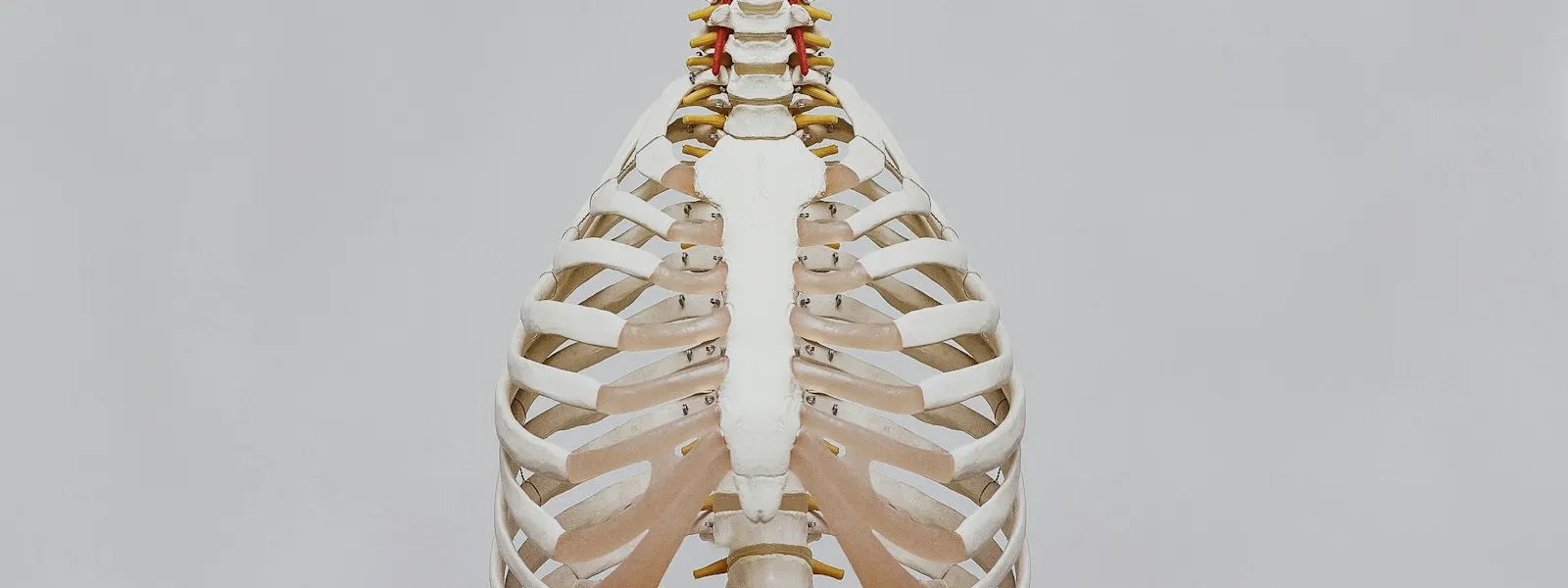
The thoracic and lumbar regions, and especially the thoracolumbar junction where the relatively stiff upper back meets the more mobile lower back, are common sites of significant injury and frequent targets for fixation.
Who is a candidate? (Indications)
Surgical fixation is considered for patients with:
- An unstable fracture that will not heal safely without stabilisation
- Significant loss of alignment of the spine after injury
- Compression of the spinal cord or nerves, with or without a neurological deficit
- A neurological deficit — leg weakness, numbness, or loss of bladder or bowel control
- Certain fractures in fragile or diseased bone where stability is compromised
Stable fractures without neurological involvement are frequently managed without surgery.
How it is performed
The approach is chosen to suit the injury — open or minimally invasive — and planned with CT and often MRI imaging. In broad terms:
- The injured level is identified and the surgical approach is planned from the imaging.
- Open fixation: the spine is exposed directly so the surgeon can realign it and, where needed, decompress the cord or nerves under direct vision.
- Minimally invasive (percutaneous) fixation: screws are placed through small incisions with less muscle disruption, suitable for selected injuries.
- Screws and rods stabilise the segment above and below the fracture, restoring alignment.
- Where appropriate, bone graft is added to encourage healing across the stabilised segment.
Navigation may be used to guide accurate screw placement, particularly where the anatomy is disturbed by the injury, and nerve monitoring may be used to help protect neurological function.
Benefits and risks
The benefits of fixation are a stable, well-aligned spine, protection of the spinal cord and nerves, relief of pain from movement at the fracture, and the ability to mobilise sooner. Against these are the risks of any spinal operation: infection, bleeding, injury to nerves or the spinal cord, implant problems, and the possibility of further surgery, along with the general risks of anaesthesia. These risks are weighed against the real dangers of leaving an unstable spine untreated, and discussed individually.
Alternatives
Stable fractures are often managed without surgery, using a brace, pain control, and a period of restricted activity with monitoring to confirm the spine remains aligned as it heals. Where a fracture occurs in fragile bone, treating the underlying bone fragility is an important part of care. A specialist assessment determines whether an injury is stable enough to manage non-surgically or whether fixation is needed.
Dr. Garg’s approach & experience
Dr. Garg is Principal Director & Head, Orthopaedics & Spine at Max Hospital, Delhi, and a former Professor at AIIMS New Delhi, with more than 325 peer-reviewed publications. His research into robotic and navigated spine surgery and 3D-printed patient-specific guides is directed at placing implants more accurately, which is relevant to stabilising the injured spine, particularly where the anatomy has been disturbed by trauma.
He is also Founder of the Fragility Fracture Network India and has research interests in osteoporosis — relevant to the spinal fractures that occur in fragile bone.
When to seek a specialist opinion
Any significant injury to the back or neck, especially following a fall or accident, should be assessed promptly. Urgent review is warranted for back or neck pain after injury accompanied by leg or arm weakness, numbness, difficulty walking, or any change in bladder or bowel control — these may indicate involvement of the spinal cord or nerves.
Frequently asked questions
What is spinal trauma fixation?
It is surgery to stabilise a fractured or unstable part of the spine after an injury. Screws and rods hold the injured segment in the correct position so that the bone can heal, alignment is maintained, and the spinal cord and nerves are protected. Depending on the injury, the surgeon may also relieve pressure on the cord or nerves.
Do all spinal fractures need surgery?
No. Many spinal fractures are stable and heal with a brace, pain control, and monitoring. Surgery is considered when a fracture is unstable, when alignment is significantly disturbed, when the spinal cord or nerves are compressed, or when there is a neurological deficit. The decision depends on the type and severity of the injury.
What is the difference between open and minimally invasive fixation?
In open surgery the muscles are lifted off the spine to expose it directly. In minimally invasive (percutaneous) fixation, screws are placed through small incisions with less muscle disruption. Minimally invasive techniques can mean less blood loss and quicker early recovery in suitable cases, while open surgery may be necessary when direct decompression or realignment is required.
How does navigation help?
Navigation uses imaging to guide instruments in real time, helping the surgeon place screws accurately, especially in disturbed or difficult anatomy. It is one of several tools used to improve the precision and safety of fixation.
Will surgery reverse paralysis or nerve damage?
Surgery aims to stabilise the spine and relieve pressure on the cord and nerves, which protects against further injury and gives the best conditions for recovery. It cannot guarantee that existing neurological damage will reverse. The likely outcome depends on the nature and severity of the original injury and is discussed individually.
What are the main risks?
As with any spinal operation, risks include infection, bleeding, injury to nerves or the spinal cord, implant problems, and the possibility of further surgery, along with the general risks of anaesthesia. These risks are weighed against the consequences of leaving an unstable spine untreated.
How long is recovery?
Recovery depends on the injury, the surgery performed, and whether there is any neurological deficit. Many patients are mobilised within days once the spine is stabilised, with bone healing and rehabilitation continuing over weeks to months. The team provides an individualised plan.