Condition · lumbar
Back Pain Treatment in Delhi
Back pain is discomfort in the lower back from the muscles, joints, discs or nerves. Most acute back pain is not serious and settles within a few weeks.
Back pain is one of the most common reasons people seek medical care, and at some point in life the majority of adults will experience it. While an episode of back pain can be distressing, the most important message is reassuring: the great majority of back pain is mechanical, is not due to serious disease, and settles within a few weeks. Understanding what helps recovery — and recognising the small number of warning signs that need urgent attention — allows most people to manage back pain with confidence.
What is back pain?
Back pain describes discomfort arising from the structures of the lower back — the muscles and ligaments, the small facet joints, the intervertebral discs, and the nerves that pass through. It is often grouped as acute (lasting up to a few weeks), sub-acute, or chronic (persisting beyond about three months).
Most back pain is non-specific, meaning it cannot be traced to a single damaged structure and is not linked to serious underlying disease. This is not a failure of diagnosis; rather, it reflects that ordinary mechanical strain is by far the commonest cause.
Which parts of the spine are affected?
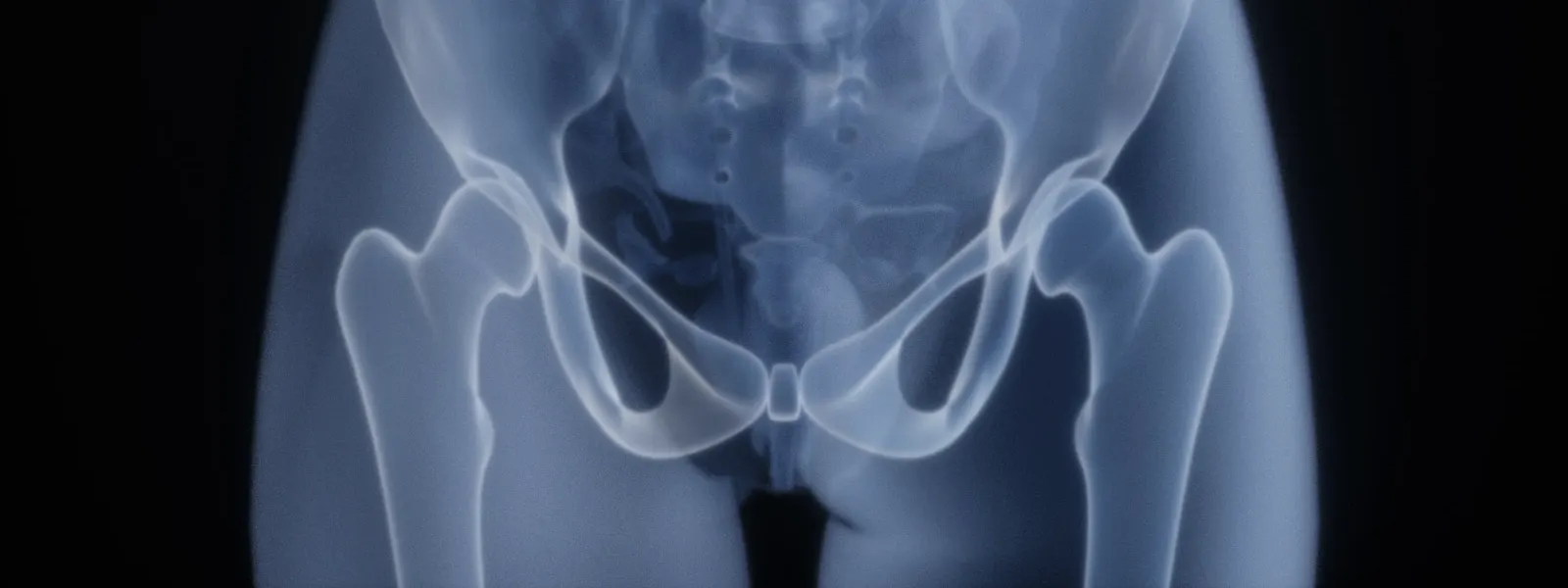
Back pain most commonly affects the lumbar spine — the five vertebrae of the lower back that carry much of the body’s weight and allow bending and twisting. The discs cushion each level, the facet joints guide movement, and nerve roots exit to supply the legs. Pain from the lower back may stay localised or, when a nerve is irritated, spread into the buttock or leg.
Causes and risk factors
Common contributors include:
- Muscle or ligament strain from lifting, bending or awkward movements.
- Age-related wear of the discs and joints.
- A slipped (herniated) disc, which may also irritate a nerve.
- Poor posture and prolonged sitting.
- Reduced physical activity and weak supporting muscles.
Risk factors include sedentary habits, being overweight, heavy or repetitive physical work, smoking, and high psychological stress. Less commonly, back pain reflects infection, fracture, inflammatory disease or, rarely, a tumour.
Symptoms and warning signs (red flags)
Typical mechanical back pain causes aching and stiffness, often worse with movement or certain positions and eased by rest or changing position. Muscle spasm is common.
Seek urgent assessment if back pain is accompanied by any of these red flags:
- Numbness around the groin, buttocks or inner thighs.
- Difficulty passing urine, or loss of bladder or bowel control.
- Significant or worsening weakness in one or both legs.
- Fever, chills or night sweats.
- Unexplained weight loss.
- Severe pain after a major injury, or in someone with osteoporosis or cancer.
- Pain that is constant, progressive or much worse at night.
The combination of numbness around the groin, bladder or bowel changes and leg weakness may indicate cauda equina syndrome, a rare emergency. Fever points to possible infection, and a history of cancer or significant injury raises concern about malignancy or fracture. These features need prompt medical attention.
How back pain is diagnosed
For most people, diagnosis rests on the history and a physical examination. The clinician asks about the pattern of pain, any spread into the legs, and red-flag features, then assesses movement, strength, reflexes and sensation.
Imaging is not routinely needed for uncomplicated back pain. X-rays, MRI or CT are reserved for persistent symptoms, suspected nerve involvement, or red-flag features. MRI is most useful when nerve compression, infection or another specific cause is suspected, because age-related changes appear on scans in many people without pain.
Non-surgical treatment
Non-surgical care helps the great majority of people. Key measures include:
- Staying active and avoiding prolonged bed rest.
- Exercise and physiotherapy to restore movement and strengthen supporting muscles.
- Heat or cold for short-term comfort.
- Simple pain relief where appropriate, used for the shortest helpful period.
- Posture and workplace adjustments, with regular movement breaks.
- Addressing stress, sleep and weight, which influence recovery.
Most acute episodes settle steadily with these measures.
When surgery is considered
Surgery is needed for only a small minority of people with back pain. It is generally considered when there is a clear structural cause with nerve compression — for example, persistent leg pain, weakness or numbness from a slipped disc or spinal stenosis that has not responded to non-surgical care — or in urgent situations such as cauda equina syndrome. Surgery is rarely advised for non-specific back pain alone.
When to see a spine specialist
Most back pain can be managed without specialist input. Consider seeing a spine specialist if pain persists despite several weeks of appropriate care, if it spreads down the leg with numbness or weakness, or if it is significantly limiting daily life. Any urgent red-flag features — particularly bladder or bowel changes, groin numbness, leg weakness, fever or unexplained weight loss — need emergency assessment without delay.
Frequently asked questions
How long does back pain usually last?
Most episodes of acute back pain improve substantially within a few weeks. Some people have recurrent episodes or longer-lasting symptoms, which usually respond well to staying active, exercise and simple measures.
Should I rest or stay active with back pain?
Staying gently active is better than prolonged bed rest, which can slow recovery. It is sensible to avoid heavy lifting and aggravating activities at first, while keeping moving as much as your comfort allows.
Do I need a scan for back pain?
Usually not. For uncomplicated back pain without red flags, scans rarely change treatment and can show age-related changes that are common and unrelated to the pain. Imaging is reserved for red-flag features or persistent symptoms.
What are the red flags I should know about?
Seek urgent care for numbness around the groin or buttocks, loss of bladder or bowel control, significant leg weakness, fever with back pain, unexplained weight loss, or severe pain after a major injury. These can signal serious problems.
What is cauda equina syndrome?
It is a rare but serious condition where the nerves at the base of the spine are compressed. Warning signs include numbness around the groin, difficulty passing or controlling urine, and weakness in both legs. It needs emergency assessment.
Can stress make back pain worse?
Yes. Stress, low mood and poor sleep can increase muscle tension and the experience of pain, and can slow recovery. Addressing these alongside physical measures often helps.
When should I see a specialist?
See a specialist if pain persists despite several weeks of appropriate care, if it spreads down the leg with numbness or weakness, or if any red-flag features appear. Urgent symptoms such as bladder or bowel changes need emergency care.