Condition · thoracic / lumbar
Osteoporosis & Vertebral Fractures Treatment in Delhi
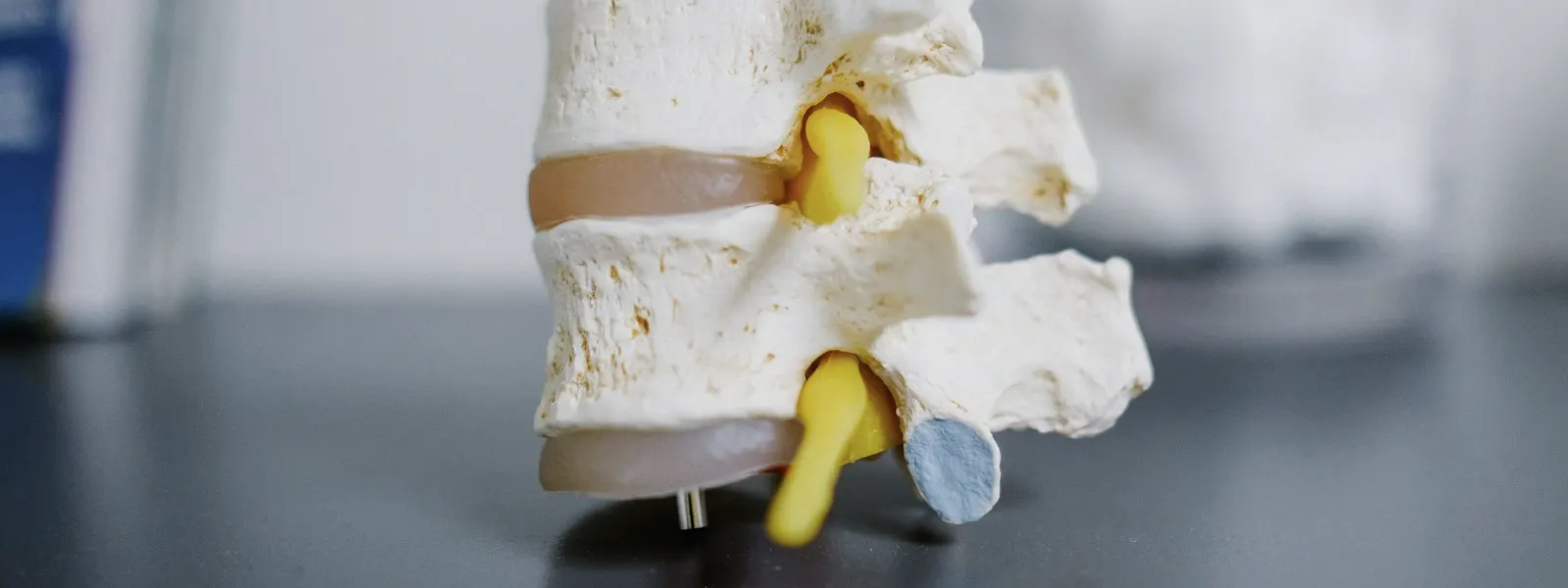
Osteoporosis is a condition in which bones become thin and fragile, raising the risk of fractures. In the spine this can cause vertebral compression fractures, many of which heal with non-surgical care.
Osteoporosis is a condition in which the bones gradually lose density and strength, becoming more porous and fragile. In the spine, this loss of bone can allow a vertebra to partially collapse under loads it would normally tolerate, producing a vertebral compression fracture. Many such fractures cause pain that settles over weeks with the right support, and most are managed without an operation.
What is osteoporosis?
Bone is living tissue that is constantly renewed, with old bone removed and new bone laid down. In osteoporosis this balance shifts so that bone is lost faster than it is replaced. The bone that remains has a thinner, more open internal structure, which makes it weaker and more likely to break.
Osteoporosis itself causes no symptoms — it is often described as a silent condition — and many people only learn they have it when a bone breaks easily. When a fracture occurs in the spine, it is called a vertebral compression fracture, because the front of the affected vertebra is crushed and loses height.
Which parts of the spine are affected?
Vertebral fractures most commonly occur in the thoracic spine (the upper and mid back) and at the junction with the lumbar spine (the lower back). These regions bear the forward-bending loads of everyday activity, which is why they are the most frequently affected.
When several vertebrae collapse at the front, the spine can curve forwards more than normal, producing a stooped posture and a loss of overall height.
Causes and risk factors
The most important risk factor is age, as bone density naturally declines over the years. Other recognised factors include:
- Being female, particularly after menopause, when a fall in oestrogen accelerates bone loss
- A family history of osteoporosis or fragility fracture
- Low body weight, smoking, and excess alcohol
- A diet low in calcium or vitamin D, and limited physical activity
- Long-term use of certain medicines, such as steroids
- Some hormonal, inflammatory, and digestive conditions that affect bone
Identifying and addressing these factors is an important part of reducing the risk of further fractures.
Symptoms and warning signs
A vertebral compression fracture often announces itself as sudden back pain, sometimes after a minor strain, a small fall, or a simple bend or lift. The pain is typically felt over the affected level and may ease when lying flat and worsen on standing, walking, or coughing.
Some fractures cause little pain and are noticed only as a gradual loss of height or an increasingly stooped posture.
Certain features need prompt rather than watchful assessment:
- Severe pain that does not begin to settle, or that wakes the person at night
- Fever, unexplained weight loss, or a history of cancer alongside new back pain
- Leg weakness, numbness, or any change in bladder or bowel control — symptoms that suggest pressure on the nerves and require urgent review
How osteoporosis and vertebral fractures are diagnosed
Assessment begins with a history and physical examination, including a check of posture, height, and the level of any tenderness. To confirm osteoporosis, a DEXA (DXA) scan measures bone mineral density and reports a T-score, which grades how far bone density has fallen below that of a healthy young adult.
When a fracture is suspected, X-rays show the collapsed vertebra and its height loss. An MRI can show whether a fracture is recent and still healing, and helps distinguish an osteoporotic fracture from other causes such as infection or tumour. CT gives detailed images of the bone. Blood tests may be arranged to look for treatable contributors to bone loss.
Non-surgical treatment
Most vertebral compression fractures are managed without surgery, and non-surgical care is considered first. It usually combines:
- Pain relief, using simple analgesia stepped up as needed, to allow movement and comfort
- Activity guidance — a graded return to gentle movement rather than prolonged bed rest, which itself weakens bone and muscle
- Physiotherapy to restore confidence, posture, and strength as the fracture heals
- Bone-protecting treatment of the underlying osteoporosis, including calcium and vitamin D, attention to falls risk, and medicines where indicated to strengthen bone
Many fractures become markedly more comfortable over several weeks as the bone heals.
When surgery is considered
A procedure is considered only in selected situations, not for every fracture. Vertebral augmentation — vertebroplasty or kyphoplasty — involves placing surgical cement into the fractured vertebra to stabilise it and reduce pain. It may be offered when pain is severe and has not responded to a period of non-surgical care.
More extensive surgery is uncommon and is generally reserved for fractures causing instability, significant deformity, or pressure on the nerves or spinal cord. The choice depends on the individual fracture, the person’s symptoms, bone quality, and overall health, and is decided together.
Recovery and outlook
The outlook for a single osteoporotic vertebral fracture is generally favourable, with pain improving over weeks as healing progresses. Some loss of height or a degree of forward curvature may remain. The most important long-term goal is to treat the underlying osteoporosis, because having one fragility fracture raises the risk of another. Steady attention to bone health, activity, nutrition, and falls prevention supports a return to normal life.
When to see a spine specialist
It is reasonable to seek assessment for sudden or persistent back pain following a minor strain or fall, for progressive loss of height or a stooping posture, or after any fracture that occurred with little force. Urgent review is needed for severe unremitting pain, or for any leg weakness, numbness, or change in bladder or bowel control, which may indicate pressure on the nerves.
Frequently asked questions
What is the difference between osteoporosis and a vertebral fracture?
Osteoporosis is the underlying condition in which bone becomes thin and fragile. A vertebral fracture is one possible consequence — a vertebra in the spine partially collapses because the weakened bone can no longer bear normal loads. Osteoporosis is usually silent until a fracture occurs.
Can a vertebral fracture happen without a fall?
Yes. In significant osteoporosis a vertebra can fracture during everyday activity such as bending, lifting a light object, or even coughing. These are called fragility fractures because the force involved would not break a healthy bone.
How is osteoporosis diagnosed?
The standard test is a DEXA (DXA) scan, which measures bone mineral density and reports a T-score. Blood tests may be used to look for treatable causes of bone loss, and X-rays or other imaging confirm whether a vertebra has fractured.
Do vertebral fractures need surgery?
Most do not. The majority of osteoporotic vertebral compression fractures are managed without surgery, using pain relief, a graded return to activity, and treatment of the underlying osteoporosis. A minority are considered for vertebral augmentation or, rarely, more extensive surgery.
What is vertebral augmentation?
Vertebral augmentation — vertebroplasty or kyphoplasty — is a procedure in which surgical cement is placed into a fractured vertebra to stabilise it and reduce pain. It is considered in selected cases, such as severe pain that has not settled with non-surgical care, and is not used for every fracture.
Will my height loss come back?
Height lost because vertebrae have collapsed does not usually return, and a degree of forward curvature may remain. The aim of treatment is to control pain, support healing, and prevent further fractures rather than to reverse changes that have already occurred.
Can osteoporosis be treated?
Yes. Treatment combines adequate calcium and vitamin D, weight-bearing activity as tolerated, attention to falls risk, and — where indicated — medicines that strengthen bone or slow its breakdown. These measures aim to lower the chance of future fractures.
When should I see a specialist?
Seek assessment for sudden or persistent back pain after minor strain, for progressive height loss or stooping, or after any fragility fracture. Any leg weakness, numbness, or change in bladder or bowel control needs urgent review.